Secondary General Music Lesson Ideas
Ballet
A Little History
Ballet as we know it began in Renaissance Italy. The word ballet comes from ballo or balli from Domenico da Piacenza’s On the Art of Dancing and Conducting Dances. The ballets described in his book were for elaborate banquets and were indistinguishable from ballroom dance music.
Ballet changed when Jean Baptiste Lully, Louis XIV court composer, created a style in which the music told a story through singing and dance. These works are called opera-ballets, and were important in the history of ballet because much of the music could be extracted and performed alone (just like modern ballet music).
While Lully placed greater importance on the music that was composed for his opera-ballets, it wasn't until the mid-1800s that the role of music in ballet truyly became prominent. Before this time the main emphasis was on the dance, and the music was simply a compilation of danceable tunes. In fact, writing 'ballet music' was considered to be a job for musical craftsmen, not for the master composers.
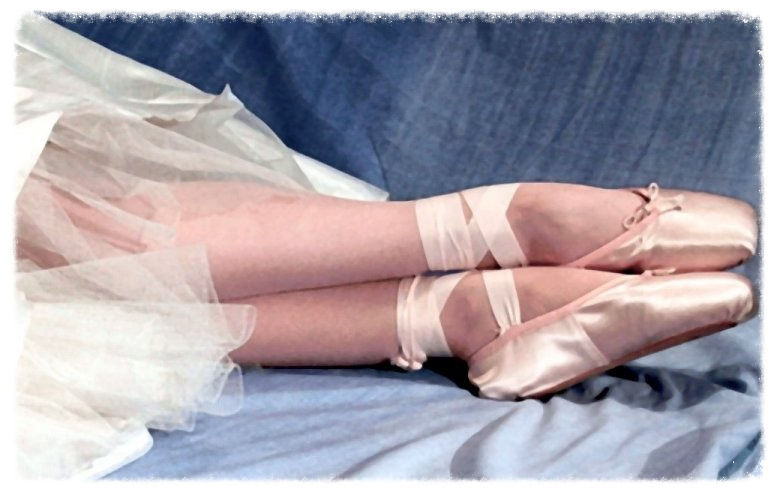
However, two major events happened in the nineteenth century that helped shape ballet music to what it is today. The first was when principal dancers changed from using hard shoes to ballet pumps. This enabled a more expressive style of music to be used. Marie Taglioni is credited with being the first ballerina to dance en pointe in 1832.
The second major event was Tchaikovsky's Swan Lake, composed in 1875, which was the first musical ballet piece to be created by an orchestral composer. Following the initiative of Tchaikovsky, ballet composers were no longer writing simple, easily danceable pieces. Furthermore, the focus of a ballet was no longer solely the dance; the compositions behind the dances began to take an equal prevalence.
These developments allowed orchestral composers and ballet choreographers to work together to create ballet masterpieces. Some of the orchestral composers who followed in Tchaikovsky's footsteps were: Aaron Copland, Léo Delibes, Sergei Prokofiev, and Igor Stravinsky.
